Building Rescue Readiness for Automotive Plants in the Michigan Manufacturing Corridor
Automotive manufacturing plants run on precision, speed, and heavy machinery and that combination creates risk that ordinary safety programs don't always address. RIT Services, LLC works with facilities across the Michigan Manufacturing Corridor to help plant safety teams think through what happens when something goes wrong on the floor, not just how to prevent it. Industrial Rescue Team Services Automotive Plants depend on are not about adding another binder to a shelf they're about giving your people a clearer path from "we have a plan" to "we know what to do right now." If your facility has confined spaces, robotics, elevated platforms, or hazardous energy sources, this page walks through what dedicated rescue support can look like and where to start. Call 615-684-3274 or contact us to discuss rescue readiness for your facility.
What Industrial Rescue Team Services Involve in Automotive Manufacturing
Automotive plants are not static environments. Production lines move, robotics operate at speed, and maintenance crews regularly work in and around equipment that was never designed with a rescue scenario in mind. Industrial Rescue Team Services Automotive Plants use typically involve evaluating the specific hazards on a production floor, reviewing how a facility would respond to a stuck or injured worker, and helping teams understand the gap between a general emergency action plan and a rescue plan built around actual conditions.
This is different from general safety training. It focuses on the moments when something has already gone wrong - a worker trapped in a confined space, a fall from an elevated work platform, or an entanglement near conveyor or robotic systems and what capability exists to respond quickly and appropriately. Automotive Manufacturing Safety Services often address prevention; rescue-focused planning addresses what happens after prevention has failed.
Why Automotive Manufacturing Plants May Need Dedicated Rescue Capabilities
Many automotive plants assume that calling 911 is the extent of their rescue plan. In practice, local emergency responders may not be familiar with a facility's layout, its lockout points, its confined spaces, or the specific machinery involved. The minutes it takes to brief outside responders can matter. That is part of why Industrial Rescue Team Services Automotive Plants rely on are built around site familiarity understanding the plant's specific hazards, access points, and equipment before an emergency occurs, rather than during one.
Common hazards found in automotive manufacturing environments include:
- Stamping presses, robotics, and automated machinery with pinch points, crush hazards, and moving parts
- Confined spaces, including paint booths, pits, tanks, and enclosed conveyor systems
- Elevated work areas, such as catwalks, mezzanines, and overhead crane systems
- Electrical systems and hazardous energy sources, including equipment requiring lockout/tagout
- Chemical exposure, from paints, solvents, coatings, and lubricants used in production
- Fire risks tied to flammable materials, welding operations, and electrical systems
Common Emergency Scenarios in Automotive Plants
Understanding the hazards is only half the picture. Facilities also need to think through the emergency scenarios those hazards can create, including:
- Confined space rescue - workers overcome by atmospheric hazards or unable to self-rescue from tanks, pits, or enclosed spaces
- Fall rescue - incidents involving elevated platforms, catwalks, or mezzanine-level work
- Machinery-related incidents - entanglement, entrapment, or injury involving stamping equipment, conveyors, or robotic arms
- Hazardous energy incidents - situations involving equipment that has not been properly isolated during servicing
Each of these scenarios requires different equipment, different training, and a different response sequence, which is why generic emergency plans often fall short in a manufacturing setting.
Emergency Response Planning and Site-Specific Procedures
A written emergency action plan is a starting point, not an endpoint. Site-specific rescue procedures should reflect the actual layout of a plant where the confined spaces are, where fall hazards exist, which machinery poses entanglement risk, and how quickly a rescue team could realistically reach an incident location. Automotive Manufacturing Safety Services that stop at the "prevention" stage without addressing response planning leave a gap that only becomes visible during an actual emergency.
Rescue planning also involves thinking through equipment needs: retrieval systems, atmospheric monitoring, communication between entrants and attendants, and personal protective equipment appropriate to the hazard. None of this replaces a facility's obligation to follow its own emergency response procedures and applicable OSHA requirements - it supports and reinforces that framework.
Coordination Across the Plant
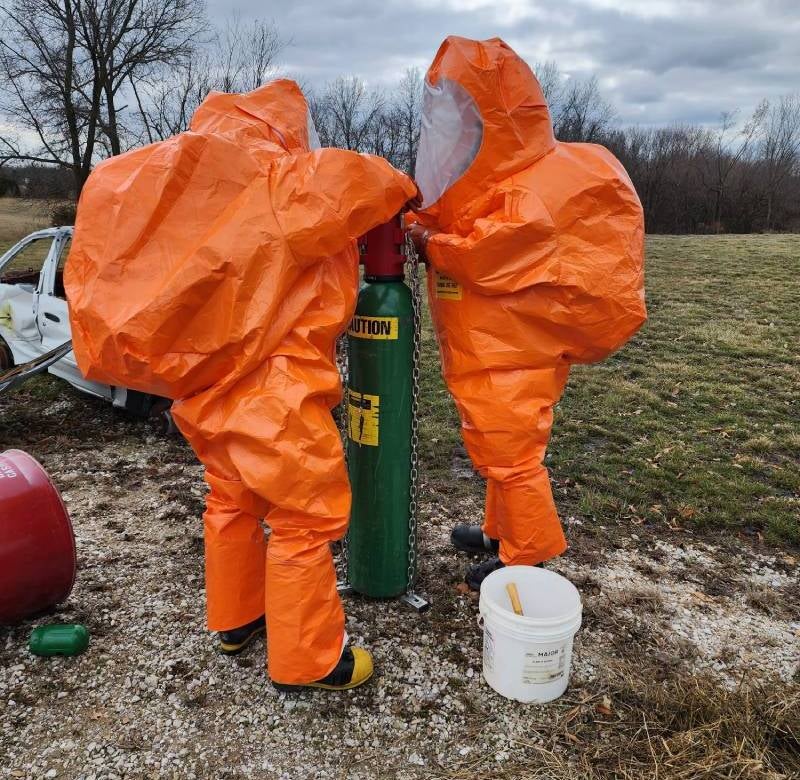
Rescue readiness is not a single department's responsibility. It requires coordination between plant safety personnel, supervisors, contractors working on-site, and local emergency responders who may be called in during a serious incident. When these groups have not communicated in advance, confusion during an emergency is common - responders may not know the facility layout, contractors may not know the plant's specific procedures, and supervisors may not know who is authorized to initiate a rescue response.
RIT Services, LLC Located in Rainsville, AL, has worked with industrial facilities to help bridge these coordination gaps, encouraging plants to build relationships with local responders and clarify roles before an incident occurs - not during one.
The Role of Drills and Scenario-Based Training
A rescue plan that has never been tested is a plan with unknown gaps. Scenario-based drills give teams the chance to find out whether their equipment fits the space, whether their communication systems work as expected, and whether personnel understand their roles under pressure. Regular drills, paired with training, help maintain readiness over time - skills and familiarity fade without practice, particularly for scenarios that occur infrequently.
For plants looking to build out this kind of training, comprehensive training programs covering confined space entry, lockout/tagout, fall protection, and related topics can serve as a foundation that supports rescue-specific drills.
How Consulting Supports Emergency Preparedness
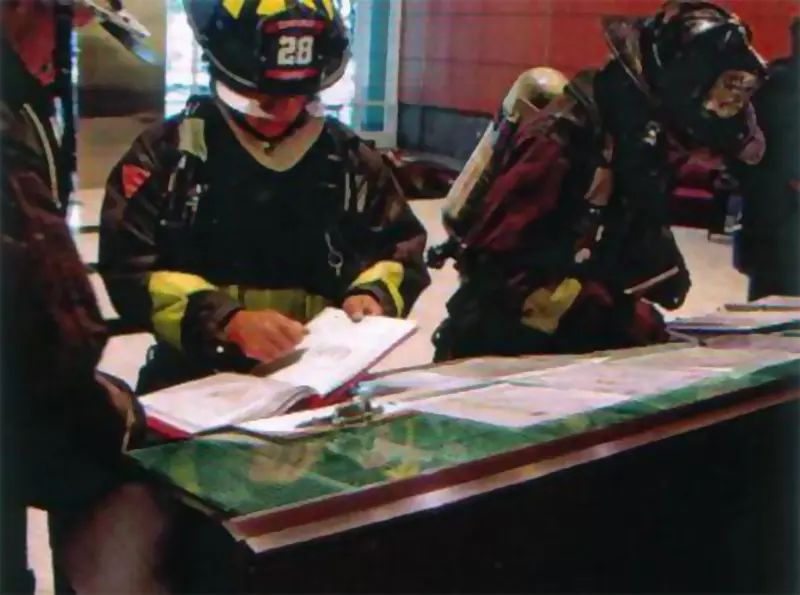
Facilities that are unsure whether their current rescue setup matches their actual hazards often benefit from a structured outside review. Industrial rescue team consulting can help evaluate existing emergency response procedures, rescue equipment inventories, training history, and coordination with outside responders, then identify where gaps exist. This kind of review does not replace a facility's internal safety program - it complements it by providing a closer look at how rescue capability would actually perform during a real event.
Automotive Manufacturing Safety Services that incorporate this kind of consulting tend to give plant safety managers a clearer picture of where their program stands, rather than assuming readiness based on paperwork alone.
Staying Aligned with OSHA and Facility-Specific Requirements
Any rescue planning work should be considered alongside - not instead of - applicable OSHA requirements and a facility's own emergency response procedures. Regulations such as those governing permit-required confined spaces and hazardous energy control set baseline expectations, but each plant's physical layout, equipment, and staffing will shape what a workable rescue plan actually looks like on site. General guidance is a starting point; site-specific plans and regulatory compliance review should involve qualified personnel familiar with the facility.
Supporting Broader Automotive Manufacturing Safety Services
Automotive Manufacturing Safety Services often address day-to-day hazard prevention and compliance. Rescue planning complements this by addressing emergency response when prevention measures do not fully eliminate an incident. Facilities looking to strengthen overall readiness can also review related health and safety programs that support electrical safety, respiratory protection, hazard communication, lockout/tagout, fall protection, and other workplace safety priorities.
Frequently Asked Questions
1. What are Industrial Rescue Team Services Automotive Plants typically need?
They generally involve evaluating a plant's specific hazards - confined spaces, elevated work areas, machinery, and hazardous energy sources and helping safety teams build response plans, training, and coordination suited to those conditions.
2. Are Industrial Rescue Team Services Automotive Plants use different from standard safety training?
Yes. General safety training focuses on hazard prevention, while rescue-focused planning addresses what happens after an incident occurs, including response procedures, equipment needs, and coordination with responders.
3. How do Automotive Manufacturing Safety Services relate to rescue planning?
Automotive Manufacturing Safety Services often address day-to-day hazard prevention and compliance. Rescue planning complements this by addressing emergency response when prevention measures do not fully eliminate an incident.
4. Does having a rescue plan guarantee a successful outcome during an emergency?
No. Rescue planning, training, and equipment can support a more organized response, but no plan or service can guarantee a specific outcome during an actual emergency.
5. Who should be involved in rescue coordination at an automotive plant?
Plant safety personnel, supervisors, on-site contractors, and local emergency responders should all have a clear understanding of their roles and the facility's layout before an incident occurs.
6. How often should rescue drills be conducted?
Drill frequency should be based on a facility's specific hazards, staffing changes, and applicable regulatory requirements. Regular practice helps maintain readiness, since skills for infrequent scenarios can fade over time. Facilities should also review applicable guidance, including the OSHA Fire Brigades Standard, where relevant to their emergency response program.
Talk to RIT Services, LLC About Rescue Readiness at Your Plant
If your automotive manufacturing facility in the Michigan Manufacturing Corridor is reassessing its emergency rescue capabilities, RIT Services, LLC can help you take a closer look at where your current plan stands. Industrial Rescue Team Services Automotive Plants rely on should reflect the specific hazards, layout, and staffing of your facility not a generic template. Contact RIT Services, LLC today to schedule a consultation and start the conversation about strengthening your plant's rescue readiness alongside your broader Automotive Manufacturing Safety Services.