Building Fire-Ready Response Teams at Power Generation Facilities in Alabama and Tennessee
A power generation facility runs on systems that don't tolerate delay when something goes wrong. Transformers, turbines, boilers, and fuel handling areas all carry fire risks that differ from a typical industrial setting, and outside responders may not have the site knowledge needed to act quickly. RIT Services, LLC provides Industrial Fire Brigade Training Power Plants across Alabama and Tennessee depend on to prepare internal teams for these exact conditions. Based in Rainsville, AL, RIT Services, LLC works with power generation sites to build fire response capability that fits the layout, equipment, and hazards specific to each facility. Call 615-684-3274 or contact us to discuss Industrial Fire Team Training for your site.
What Industrial Fire Brigade Training Involves for Power Generation Sites
Industrial Fire Brigade Training Power Plants use is built around the reality that these facilities combine electrical, mechanical, and chemical hazards in one operating environment. Training typically covers fire behavior in industrial settings, hazard recognition specific to power generation equipment, and the roles brigade members are expected to fill during an incident. Rather than treating every worksite the same, training programs are structured around the actual layout, equipment, and staffing of the facility requesting the training.
For power generation facilities, this often means addressing:
- Electrical equipment fires involving switchgear, control panels, and energized systems
- Fuel and lubricant hazards tied to turbines, generators, and mechanical systems
- Transformer fires, including containment and safe approach considerations
- Boiler and turbine area risks, where heat, pressure, and confined access complicate response
- Combustible dust or process-related hazards depending on the generation method used at the site
Why Power Generation Facilities Need a Trained Fire Response Team
Municipal fire departments may not always know the internal layout, shutdown procedures, or hazard locations within a power plant. That gap is part of why many facilities maintain an internal fire brigade - a group of employees trained to take initial action during a fire event, communicate conditions to leadership, and coordinate with outside responders when they arrive. Industrial Fire Team Training gives these employees a foundation in fire behavior, safe response boundaries, and the decision-making needed during the first critical minutes of an incident.
This training does not turn plant personnel into municipal firefighters. It prepares designated employees to perform specific, defined actions within the limits of their training, equipment, and the facility's emergency action plan.
Fire Brigade Roles and Responsibilities
A functioning fire brigade needs more than a group of willing volunteers - it needs clear roles.
Training addresses:
- Establishing incident command and assigning responsibilities
- Accountability and personnel tracking during an active incident
- Recognizing when conditions exceed the brigade's training or equipment limits
- Relaying accurate information to arriving municipal responders
- Transitioning command appropriately once outside responders take over
Confusion during an emergency often comes from unclear roles, not lack of effort. Defining who does what, and when, is a central part of Industrial Fire Brigade Training Power Plants rely on to keep a response organized.
Fire Prevention, Hazard Recognition, and Emergency Procedures
Prevention and recognition come before suppression. Training programs typically walk through how fires start and spread in industrial environments, the fuel sources common to power generation equipment, and the difference between incipient-stage and advanced fire conditions. Employees also review the facility's emergency action plan, evacuation procedures, and the pre-incident planning information that helps a brigade understand its own site before an emergency happens.
Fire Suppression Fundamentals and Safe Response Practices
For sites that maintain an incipient-stage or exterior fire brigade, training may cover:
- Fire extinguisher selection, use, and limitations
- Hose line deployment and safe water application, where applicable
- Safe approach and withdrawal decisions
- Exposure protection and defensive response priorities
Every topic is framed around one principle: brigade members should never be placed in a position beyond what their training, PPE, or equipment supports.
PPE, Respiratory Protection, and Communication Considerations
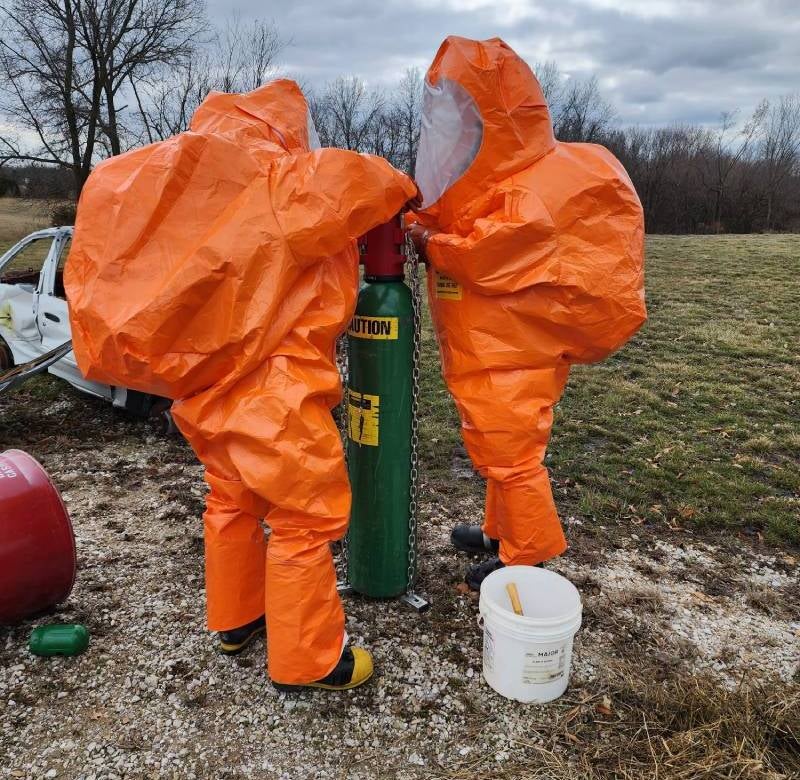
Personal protective equipment and respiratory protection are addressed based on the brigade's assigned duties. This can include PPE selection and inspection, donning and doffing procedures, SCBA familiarization, and recognizing the physical limitations that come with heat stress or restricted visibility. Clear communication protocols including how to relay changing conditions and issue withdrawal signals are built into training so that information moves quickly between team members and facility leadership.
Coordinating with Facility Personnel and Local Emergency Services
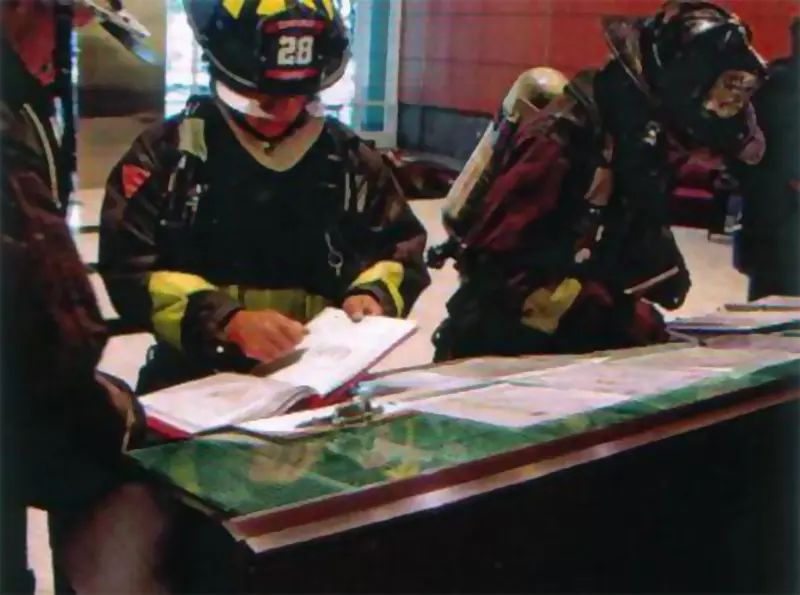
An internal fire brigade doesn't operate in isolation. Training includes coordination points with plant leadership, shift supervisors, and the local fire department that would respond to a serious incident. This includes information sharing, command transition procedures, and understanding what local responders will need to know upon arrival, such as hazard locations, shutdown procedures, and personnel accountability status.
Hands-On Drills and Scenario-Based Exercises
Classroom instruction alone doesn't prepare a team to act under pressure. Industrial Fire Team Training typically incorporates hands-on drills and scenario-based exercises that reflect conditions specific to the facility, along with refresher sessions to keep skills current. Repetition under realistic conditions helps reinforce the decision-making patterns brigade members need when facing an actual incident.
Site-Specific Training for Power Generation Facilities
No two power generation sites are identical. A coal-fired plant, a natural gas facility, and a hydroelectric operation each present different hazard profiles, equipment layouts, and response considerations. For more information about how fire brigade training is tailored to specific industrial environments, review the details on industrial fire brigade training approaches used across various facility types. Site-specific training accounts for the facility's actual equipment, staffing levels, and existing emergency action plan rather than applying a generic template.
Supporting Broader Emergency Preparedness
Industrial Fire Team Training works best as part of a larger safety framework rather than a standalone effort. Facilities looking to strengthen overall readiness often pair fire brigade training with related programs covering health and safety topics such as electrical safety, respiratory protection, and hazard communication. Building this kind of layered approach supports a more complete emergency preparedness posture across the facility.
Following Applicable OSHA and NFPA Requirements
Fire brigade training should align with applicable regulatory guidance, including the OSHA Fire Brigades Standard (29 CFR 1910.156) and relevant NFPA guidance on industrial fire brigades. Requirements vary based on the brigade's assigned duties and the facility's specific risk profile, so training content should be matched to those obligations. Training supports a facility's safety efforts, but it does not by itself guarantee compliance with every applicable regulation, nor does it eliminate the risk of fire or injury. Site-specific fire protection plans, regulatory obligations, and operational procedures should be addressed separately with qualified safety and compliance resources.
Frequently Asked Questions
1. What does Industrial Fire Brigade Training Power Plants use actually include?
It generally covers fire behavior, hazard recognition specific to power generation equipment, PPE and respiratory protection considerations, incident command basics, and hands-on scenario-based drills tailored to the facility.
2. How is Industrial Fire Team Training different from general fire extinguisher training?
General fire extinguisher training covers basic use of a single tool. Industrial Fire Team Training addresses broader response roles, team coordination, site-specific hazards, and communication with outside emergency services.
3. Does every power generation facility need the same type of training?
No. Training is typically shaped by the facility's equipment, layout, staffing, and existing emergency action plan, since a coal plant and a hydroelectric facility face different hazards.
4. How often should fire brigade members receive refresher training?
Refresher frequency depends on the brigade's assigned duties and applicable regulatory guidance. Facilities should review their obligations under the OSHA Fire Brigades Standard and consult their emergency action plan for specifics.
5. Can fire brigade training be combined with other safety programs?
Yes. Many facilities pair fire brigade instruction with related safety training, such as respiratory protection or electrical safety programs, to build a more complete emergency preparedness approach.
Schedule a Consultation with RIT Services, LLC
Power generation facilities across Alabama and Tennessee face fire risks that call for a prepared, trained response team not guesswork during an emergency. RIT Services, LLC, located in Rainsville, AL, works with facility safety managers to build Industrial Fire Team Training programs suited to the specific hazards and layout of each site. If your facility is ready to strengthen its fire brigade or start building one from the ground up, contact RIT Services, LLC today to schedule a consultation and discuss Industrial Fire Brigade Training Power Plants across the region rely on for emergency preparedness.