Preparing Chemical Plant Teams for Real-World Emergencies in the Gulf Coast Chemical Corridor
When a chemical release, fire, or spill happens on-site, the difference between a controlled incident and a catastrophic one often comes down to preparation. RIT Services, LLC provides Emergency Response Training Chemical Plants across the Gulf Coast Chemical Corridor rely on to prepare their personnel for the hazards unique to chemical processing environments. From hazard recognition to incident command, our training programs are built around the realities of plant operations, not generic classroom theory.
Chemical facilities throughout the Gulf Coast Chemical Corridor face a distinct set of risks tied to the volume and variety of hazardous materials they handle daily. RIT Services, LLC works with plant operators and safety managers to build response capabilities that hold up when conditions are dangerous, chaotic, and time-sensitive.
Why Chemical Plants Need Specialized Emergency Preparedness
Chemical plants are not standard industrial facilities. They store, process, and transport substances that can be flammable, toxic, corrosive, or reactive - sometimes all at once. A single incident can escalate quickly, involving multiple hazards simultaneously: a fire that produces toxic smoke, a spill that requires both containment and evacuation, or a confined space emergency compounded by atmospheric hazards.
This complexity is why Chemical Plant Safety Training must go beyond generic safety orientation. Emergency Response Training Chemical Plants require needs to address the specific chemicals on-site, the layout of the facility, and how different hazards might interact during a real event. General awareness training is a starting point, but plants operating in the Gulf Coast Chemical Corridor typically need response teams capable of taking direct action, not just recognizing a problem and waiting for outside help.
Common Chemical Plant Emergencies
Plant safety teams should be prepared to respond to a range of incident types, including:
- Chemical releases involving toxic, flammable, or corrosive substances
- Fires and explosions originating from process equipment, storage areas, or electrical systems
- Spills and leaks requiring containment, isolation, and decontamination
- Toxic exposures affecting workers in confined or open areas
- Confined space emergencies where atmospheric conditions can change rapidly
Each of these scenarios demands a different combination of skills, equipment, and coordination. Effective Chemical Plant Safety Training prepares teams to assess the situation quickly and apply the correct response rather than defaulting to a one-size-fits-all procedure.
Core Components of Emergency Response Training
A well-structured training program for chemical plant environments typically covers several interconnected areas:
Hazard Identification and Emergency Planning
Workers need to understand what materials are present on-site, how those materials behave under stress, and what conditions could trigger an emergency. This informs site-specific emergency action plans and response procedures.
Communication and Evacuation Procedures
Clear communication protocols and well-rehearsed evacuation routes reduce confusion during an actual event. Training reinforces how information should move from the point of discovery to the incident commander and beyond.
Containment and Response Procedures
Teams learn defensive and, where appropriate, offensive containment strategies for spills, leaks, and releases, along with decontamination principles that protect responders and prevent further exposure.
Roles and Responsibilities
Every member of an industrial emergency response team should understand their specific function during an incident, from initial detection through mitigation and recovery.
Incident Command, Coordination, and Communication
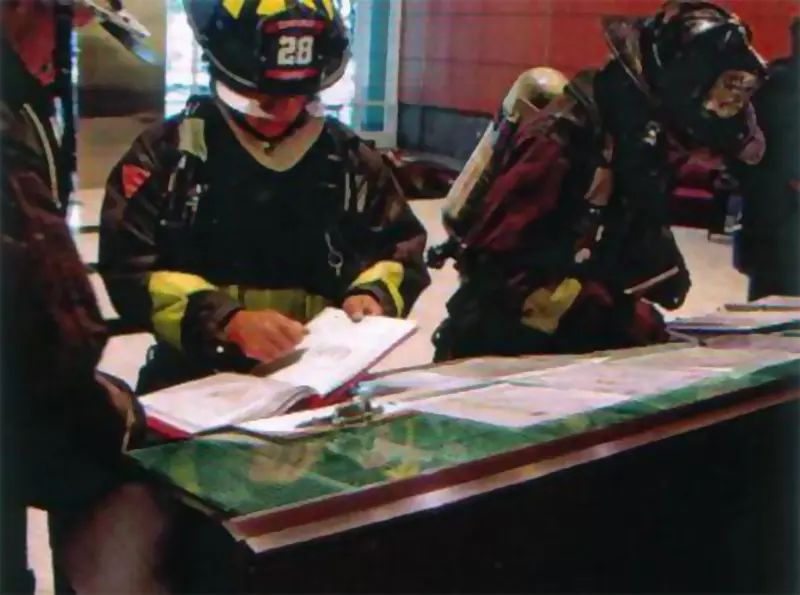
During a chemical plant emergency, a clear command structure prevents duplicated efforts and dangerous miscommunication. RIT Services, LLC incorporates Incident Command System (ICS) principles into training so that plant leadership and response personnel know how to establish command, assign objectives, and manage resources under pressure.
This training also addresses how on-site teams coordinate with external responders, including local fire departments and emergency management agencies. For facilities in the Gulf Coast Chemical Corridor, this coordination is particularly important given the concentration of chemical processing operations in the region and the potential need for mutual aid during larger incidents. Our industrial emergency response team training programs cover incident command structure in greater depth, including how it applies across fire brigade, confined space, and HAZMAT response scenarios.
Hazardous Materials Awareness and PPE Considerations
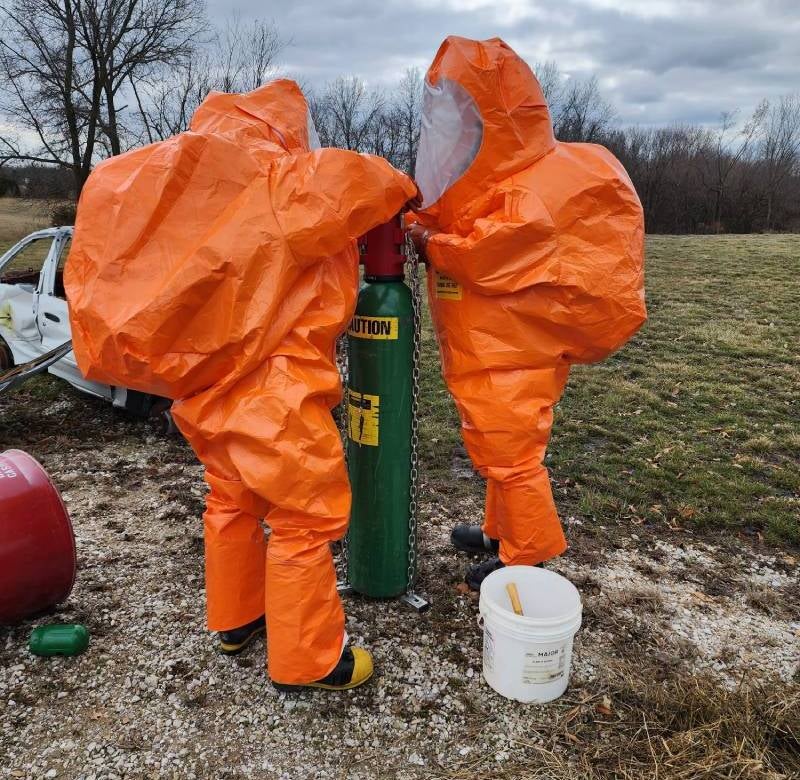
Hazardous materials awareness forms the foundation of Emergency Response Training Chemical Plants use to prepare their workforce. Employees need to recognize hazardous materials, understand Safety Data Sheets (SDS), and know how to read GHS labels and pictograms before an emergency ever occurs.
Personal protective equipment selection is equally critical. Depending on the hazard, response personnel may need chemical-resistant clothing, respiratory protection, or self-contained breathing apparatus (SCBA). Monitoring equipment, such as gas detectors, helps teams assess atmospheric conditions before and during entry into affected areas. Training reinforces correct PPE selection and use so that response actions don't introduce new risks to the people managing the incident.
For facilities that handle hazardous waste, regulated cleanup, or occasional chemical spill response, hazardous materials training complements emergency response team preparedness by addressing OSHA HAZWOPER requirements under 29 CFR 1910.120. Our industrial hazardous materials training page outlines these programs, including awareness, operations, and technician-level response training options.
Confined Space, Fire, and Spill Response Scenarios
Chemical plants often present multiple hazard types in close proximity. A response team may need to manage a confined space rescue that also involves atmospheric contamination, or a fire that threatens nearby chemical storage. Training scenarios should reflect these overlapping conditions rather than treating each hazard type in isolation.
Fire brigade training, spill containment drills, and confined space rescue exercises all reinforce the same underlying skills: quick hazard assessment, correct PPE use, clear communication, and disciplined adherence to established procedures.
The Importance of Hands-On, Scenario-Based Training
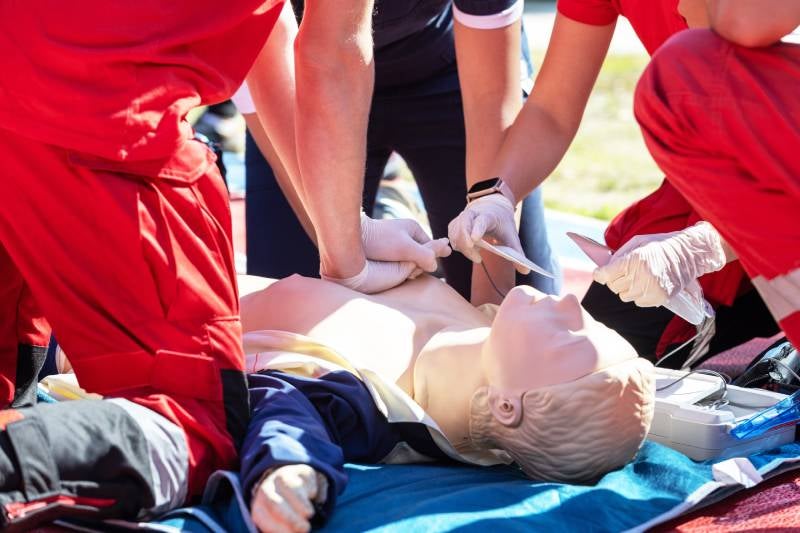
Reading about emergency procedures is not the same as practicing them under realistic conditions. Hands-on training, live drills, and scenario-based exercises allow response teams to build muscle memory and confidence before a real incident occurs. Refresher training keeps these skills sharp over time, especially as personnel, equipment, or site conditions change.
RIT Services, LLC Located in Rainsville, AL, we structure our Chemical Plant Safety Training around realistic exercises that mirror actual plant conditions, forcing participants to make decisions under pressure and communicate effectively throughout an incident.
Supporting Site Emergency Response Plans
Training should reinforce and support your facility's existing emergency response plan, not operate as a separate, disconnected effort. RIT Services, LLC works with plant safety managers to align training content with site-specific procedures, helping ensure that response team members understand not just general emergency response principles but how those principles apply to their specific facility, equipment, and hazard profile.
It's worth noting that training strengthens preparedness and response capability, but it does not by itself guarantee regulatory compliance or prevent emergencies from occurring. Site-specific regulatory requirements should always be reviewed with your facility's compliance and safety personnel.
Frequently Asked Questions
What does emergency response team training for chemical plants typically include?
It generally covers hazard identification, PPE and respiratory protection, incident command, evacuation and communication procedures, and hands-on response to scenarios like fires, spills, and confined space emergencies.
Why can't general safety training cover chemical plant emergency response needs?
Chemical plants face specific and often overlapping hazards, such as toxic exposure combined with fire risk, that require targeted Emergency Response Training Chemical Plants use to prepare teams for realistic, facility-specific conditions.
How often should chemical plant response teams complete refresher training?
Refresher training frequency depends on the facility's hazards, applicable regulations, and internal policies. Regular practice helps maintain the skills and confidence needed to respond effectively.
Does Chemical Plant Safety Training replace the need for a site-specific emergency response plan?
No. Training supports and reinforces a facility's emergency response plan but does not replace the need for site-specific planning, hazard assessments, and coordination with local regulatory requirements.
Can hazardous materials training be combined with emergency response team training?
Yes. Many facilities in the Gulf Coast Chemical Corridor combine hazardous materials awareness and response training with broader emergency response team training to build a more complete preparedness program.
Schedule Chemical Plant Emergency Response Training
Chemical plant operators and safety managers across the Gulf Coast Chemical Corridor don't get a second chance when an emergency unfolds. Preparing your team now, through realistic, scenario-based Emergency Response Training Chemical Plants can rely on, gives your personnel the tools to respond with clarity and control when it matters most.
RIT Services, LLC brings decades of hands-on emergency response and industrial consulting experience to every training program. Contact RIT Services, LLC today to schedule a consultation and discuss Chemical Plant Safety Training tailored to your facility's hazards, personnel, and emergency response goals.