Building a Safer Aerospace Manufacturing Facility in Huntsville, AL
Aerospace manufacturing facilities in Huntsville, AL operate in one of the most demanding industrial environments in the country, where precision machinery, hazardous materials, and complex processes intersect every day. RIT Services, LLC works with aerospace manufacturers throughout the region to strengthen workplace readiness through structured Aerospace Manufacturing Safety Training designed around the realities of the shop floor. Rather than offering generic instruction, our approach centers on the specific hazards found in aerospace production environments, giving employees and safety managers a clearer understanding of what safe operations actually require day to day.
Facilities that prioritize Industrial Safety Training Aerospace programs are better positioned to identify hazards early, respond appropriately when something goes wrong, and build a culture where safety is part of daily operations rather than an afterthought. Call 615-684-3274 or contact us to discuss your facility's safety training needs.
What Aerospace Manufacturing Safety Training Involves
Aerospace Manufacturing Safety Training covers the practical knowledge and skills employees need to recognize hazards, follow correct procedures, and respond effectively during abnormal or emergency situations. This type of training typically combines classroom instruction with hands-on practice, allowing workers to apply concepts in scenarios that reflect the actual conditions found on an aerospace production floor.
Because aerospace manufacturing facilities often involve a mix of machining, composite work, chemical processing, and precision assembly, training programs need to address a wide range of risk categories rather than focusing on a single hazard type. Industrial Safety Training Aerospace programs are most effective when they reflect the layout, equipment, and workflow of the facility where employees actually work.
Why Structured Safety Training Matters in Aerospace Manufacturing
Aerospace manufacturing facilities in Huntsville, AL handle tight tolerances, specialized equipment, and materials that carry real risk if mishandled. Without structured training, employees may not fully understand the hazards around them or know how to respond when conditions change unexpectedly.
Aerospace Manufacturing Safety Training gives employees a consistent foundation of knowledge, helping reduce uncertainty during high-pressure situations. It also supports supervisors and safety managers who are responsible for maintaining safe working conditions across shifts, departments, and contractor teams. While training builds awareness and skill, it's important to note that no training program can guarantee the prevention of workplace incidents or automatically satisfy every regulatory obligation. Facilities remain responsible for maintaining compliance with applicable OSHA requirements and their own site-specific safety procedures.
Common Hazards Addressed in Aerospace Manufacturing Facilities
Aerospace production environments present a broad range of hazards that safety training programs need to address directly, including:
- Machinery and equipment hazards - CNC machines, presses, and automated systems that require proper guarding and operating procedures
- Chemical and hazardous materials exposure - solvents, adhesives, coatings, and composite materials used in aerospace part production
- Electrical systems - equipment servicing and maintenance activities involving energized components
- Elevated work - tasks performed on platforms, mezzanines, or aircraft structures
- Confined spaces - tanks, ducting, or enclosed structural sections that limit entry and exit
- Fire and combustible material risks - associated with certain chemicals, dust, and manufacturing byproducts
Recognizing these hazards is the first step toward building a workplace safety program that reflects the actual conditions employees face.
Hazard Identification, Risk Assessment, and Safety Procedures
A core part of Aerospace Manufacturing Safety Training involves teaching employees how to identify hazards before they lead to an incident. This includes walking through common risk areas, discussing near-miss scenarios, and reviewing how to report unsafe conditions through the proper channels.
Risk assessment training helps workers understand how hazards can change based on task, location, or equipment status. When paired with clear workplace safety procedures, this knowledge helps employees make better decisions in real time rather than relying on guesswork.
PPE Selection and Proper Use
Personal protective equipment is only effective when it's selected correctly and worn properly. Training should cover how to choose the right PPE for a given task, how to inspect equipment before use, and how to recognize when PPE needs to be replaced. For aerospace manufacturing environments, this often includes respiratory protection, eye and face protection, hearing protection, and hand protection suited to chemical or mechanical hazards.
Lockout/Tagout and Hazardous Energy Awareness
Machinery servicing and maintenance activities require a clear understanding of lockout/tagout (LOTO) procedures to control hazardous energy sources. Aerospace Manufacturing Safety Training addresses how to recognize energy sources, apply appropriate control devices, and follow verification steps before equipment servicing begins. This awareness helps reduce the risk of unexpected equipment startup during maintenance work.
Chemical and Hazardous Materials Safety
Aerospace manufacturing often involves solvents, adhesives, composite resins, and other materials that require careful handling. Training covers proper storage, labeling, and handling practices, along with how to read safety data sheets and respond to spills or exposure incidents. Understanding hazardous materials safety is closely tied to Industrial Safety Training Aerospace programs, since chemical handling is a routine part of many production processes.
Emergency Response and Evacuation Procedures
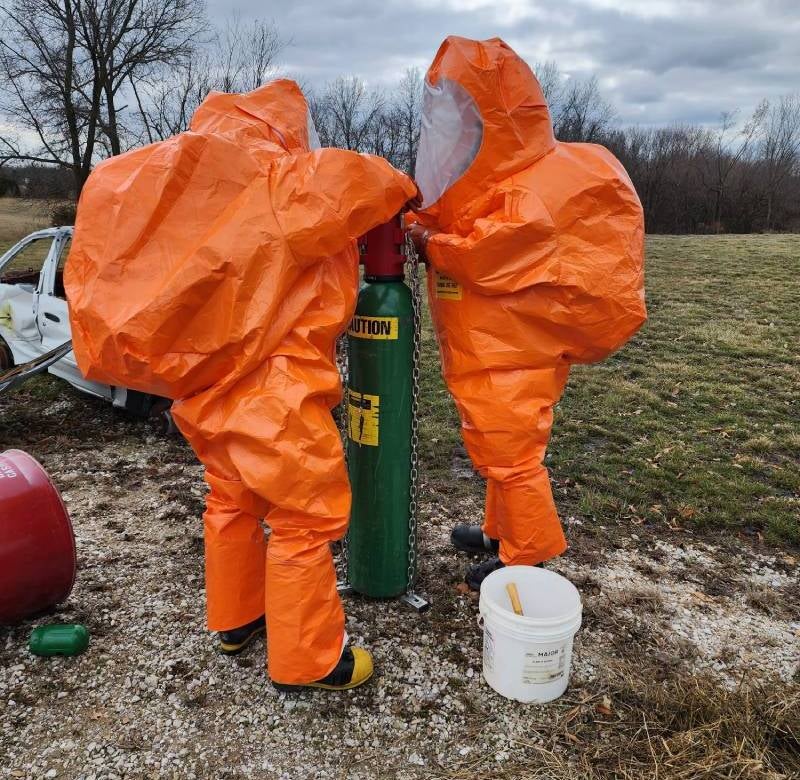
When something goes wrong, employees need to know how to respond quickly and calmly. Training should cover facility-specific evacuation routes, assembly points, and communication procedures during an emergency. This also includes understanding when and how to alert others, use emergency equipment, and coordinate with designated emergency personnel.
Fire Prevention and Emergency Preparedness
Fire risks in aerospace manufacturing can stem from flammable materials, dust accumulation, or equipment malfunctions. Fire prevention training focuses on recognizing ignition sources, maintaining clear egress paths, and understanding the proper use of fire suppression equipment. Emergency preparedness planning helps facilities respond in a coordinated way rather than reacting in the moment.
Fall Protection and Confined Space Safety
Where elevated work or confined space entry is part of daily operations, training must address the specific equipment and procedures required to work safely in these conditions. This includes fall protection equipment selection, anchor point awareness, and confined space entry protocols such as atmospheric monitoring and attendant responsibilities. For facilities looking to strengthen their broader emergency readiness, industrial rescue team consulting can help evaluate whether current rescue plans align with the confined space and elevated work hazards present on site.
Safe Equipment and Machinery Operation
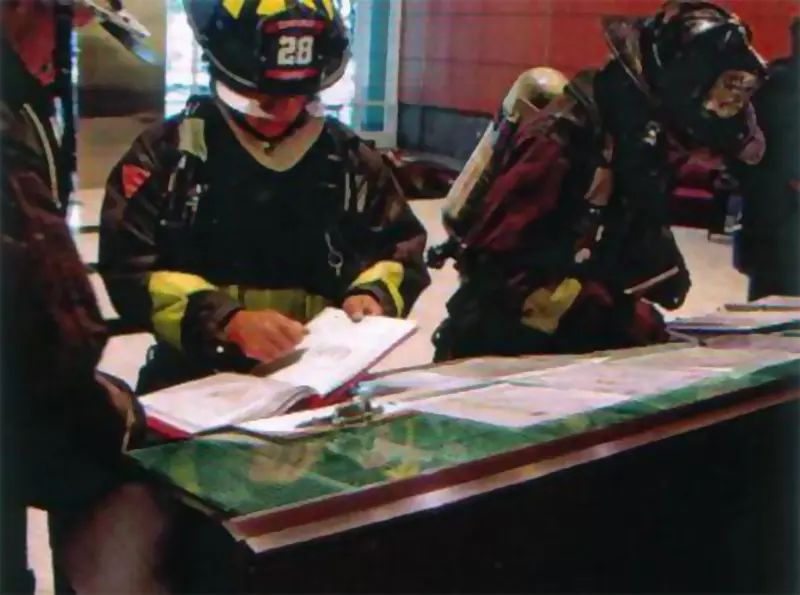
Employees who operate or work near industrial machinery need training on proper startup, shutdown, and operating procedures. This includes understanding machine guarding, recognizing warning signs of malfunction, and knowing when to stop work and report a concern rather than continuing operation under unsafe conditions.
Employee Responsibilities and Facility-Specific Procedures
Aerospace Manufacturing Safety Training is most effective when employees understand that safety is a shared responsibility. While training provides general knowledge, employees are also expected to follow facility-specific procedures, which may vary based on equipment, layout, and operational requirements. Reviewing site-specific documentation alongside general training content helps reinforce this connection.
Hands-On Training, Drills, and Scenario-Based Learning
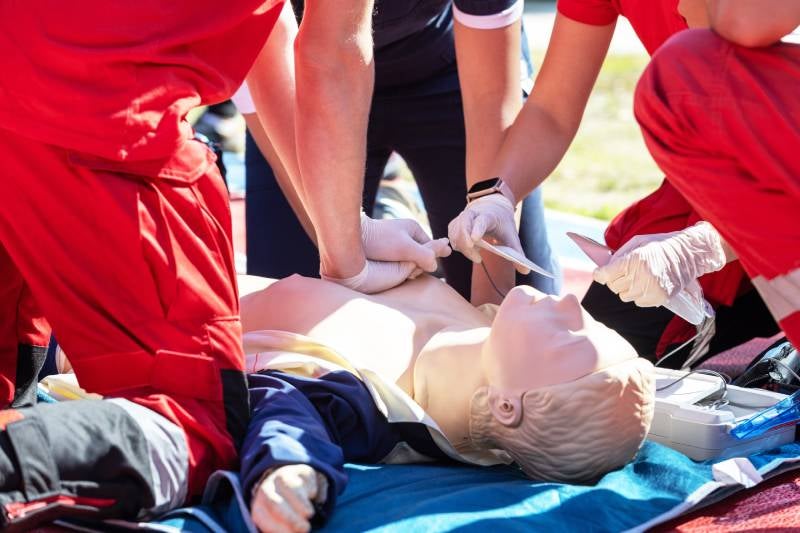
Classroom instruction alone rarely prepares employees for real conditions. Hands-on training, practice drills, and scenario-based learning give workers the opportunity to apply what they've learned in a controlled setting. Refresher training on a regular basis also helps maintain awareness and skill retention over time, particularly for procedures like LOTO or confined space entry that aren't performed daily.
How Comprehensive Training Programs Support Ongoing Safety
Aerospace Manufacturing Safety Training works best as part of a broader, ongoing effort rather than a one-time event. Facilities benefit from reviewing their training needs regularly and adjusting programs as equipment, processes, or staffing change. Exploring comprehensive training programs can help safety managers identify additional courses, such as OSHA-focused training, HAZWOPER, or confined space instruction, that complement existing safety initiatives.
Frequently Asked Questions
1. What does Aerospace Manufacturing Safety Training typically cover?
It generally covers hazard identification, PPE use, lockout/tagout procedures, chemical safety, emergency response, and equipment operation, tailored to the specific risks found in aerospace production environments.
2. How often should aerospace manufacturing employees receive safety training?
Training frequency depends on the specific procedures involved and facility requirements. Many programs include periodic refresher training to help maintain awareness, particularly for higher-risk tasks like confined space entry or hazardous energy control.
3. Does completing safety training guarantee OSHA compliance?
No single training program can guarantee compliance. Facilities are responsible for meeting applicable OSHA requirements and maintaining their own facility-specific safety procedures alongside any training provided.
4. Can Industrial Safety Training Aerospace programs be customized for a specific facility?
Training content can be adapted to reflect the hazards, equipment, and procedures present at a specific facility, though the details of any program should be discussed directly based on site conditions.
5. Why is hands-on training important for aerospace manufacturing safety?
Hands-on practice helps employees apply safety concepts in realistic conditions, reinforcing knowledge in ways that classroom instruction alone often cannot achieve.
Facilities should also review applicable OSHA requirements and guidance, including the OSHA Fire Brigades Standard, where relevant to their facility's emergency preparedness and response responsibilities.
Strengthen Your Facility's Safety Program with RIT Services, LLC
Aerospace manufacturing facilities in Huntsville, AL face a wide range of hazards that require more than a passing understanding of workplace safety. RIT Services, LLC works with safety managers and facility leaders to build Aerospace Manufacturing Safety Training that reflects the realities of aerospace production, from machinery operation to hazardous materials handling and emergency response. If your facility is ready to take a closer look at its current training approach, contact RIT Services, LLC today to schedule a consultation and discuss how a structured Industrial Safety Training Aerospace program can support your team's safety goals.